Planning Garden Steps and Paved Seating as One Project
A change in garden level can create useful seating or a natural division of space. It can also introduce obstacles if the steps, paving and drainage are designed separately.

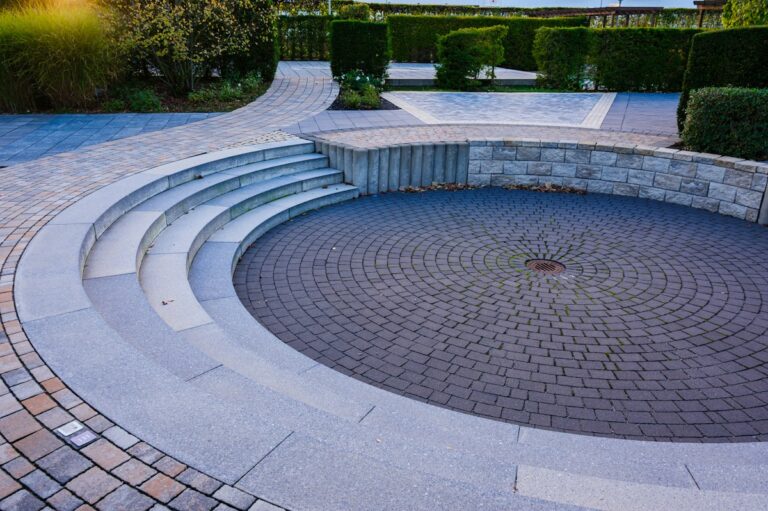
A change in garden level can create useful seating or a natural division of space. It can also introduce obstacles if the steps, paving and drainage are designed separately.
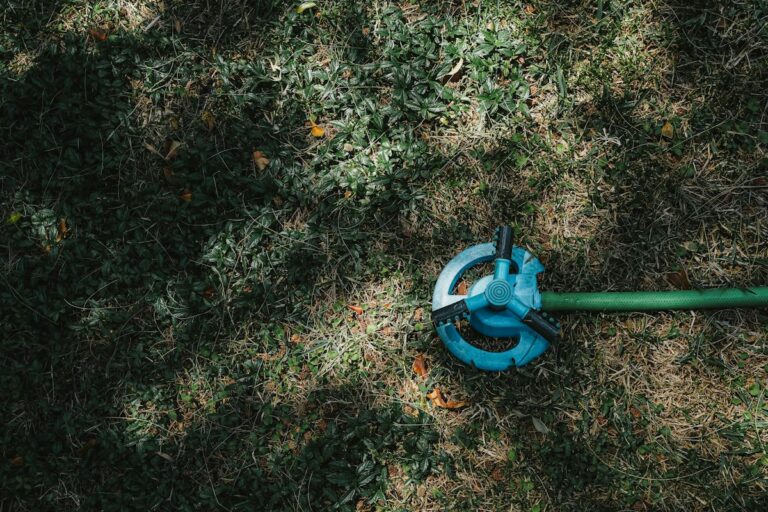
A wet patch appearing long after sprinklers stop may deserve investigation. A simple record of when and where water appears can help an irrigation professional diagnose the issue.
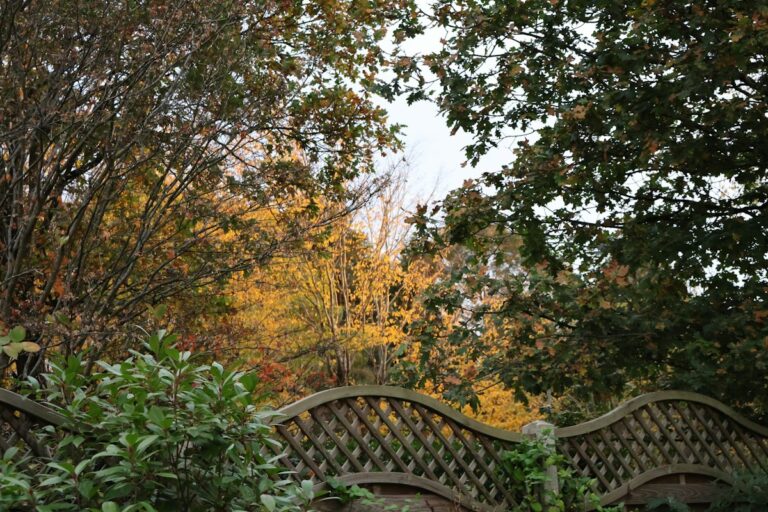
When leaves accumulate, a garden maintenance visit is more useful if the contractor knows which surfaces and plants need particular attention.
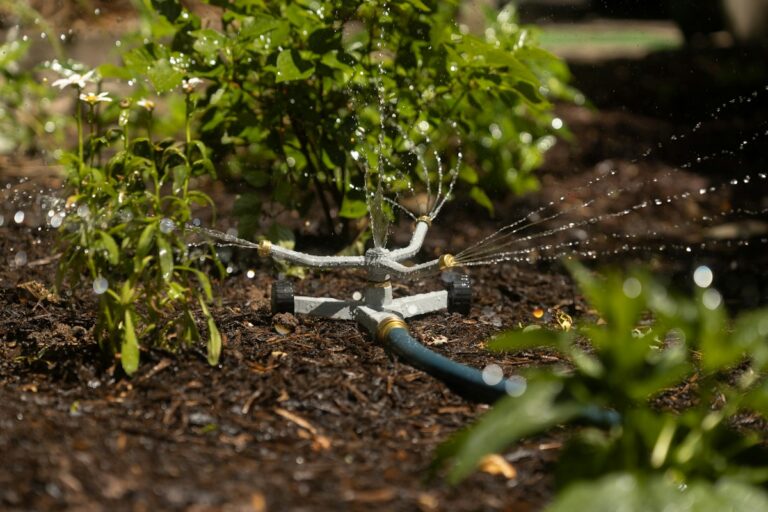
Mulch can help manage moisture, but it must fit the plants, soil and irrigation arrangement. A neat-looking bed alone is not proof of suitable watering.
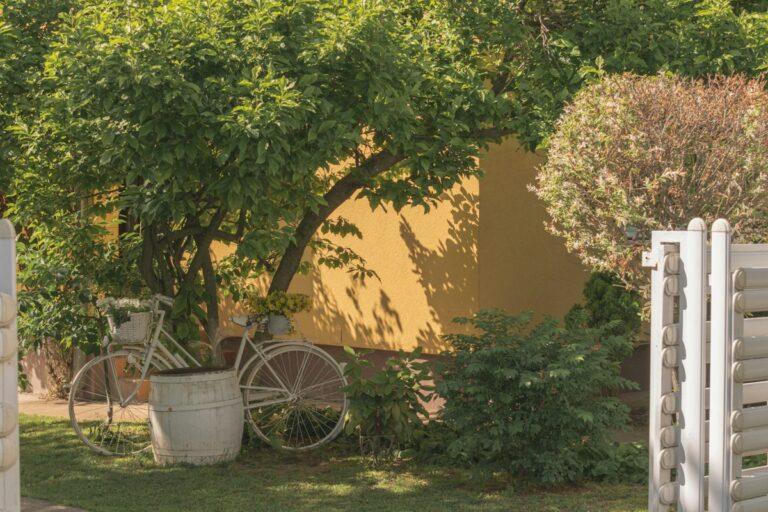
An established tree can be the best feature in a small garden. Instead of forcing the surrounding space into a new design, start with what the tree already provides.
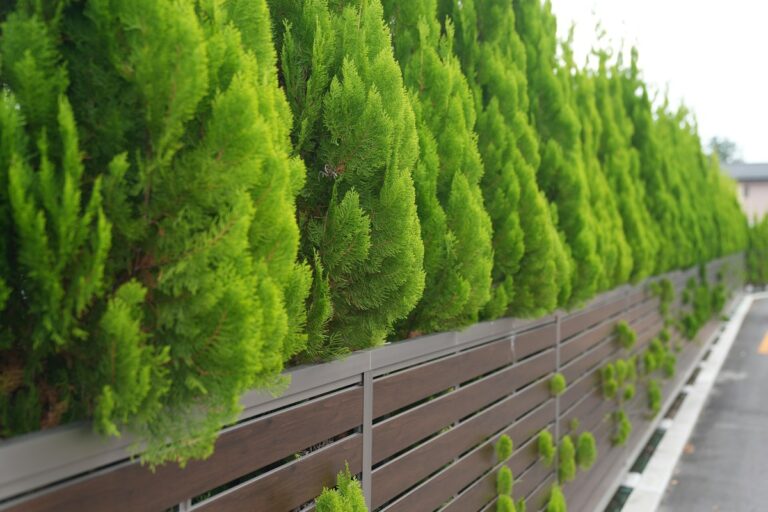
A dense hedge can create a pleasant garden boundary, but a plant’s mature width determines how much useful space remains beside it.
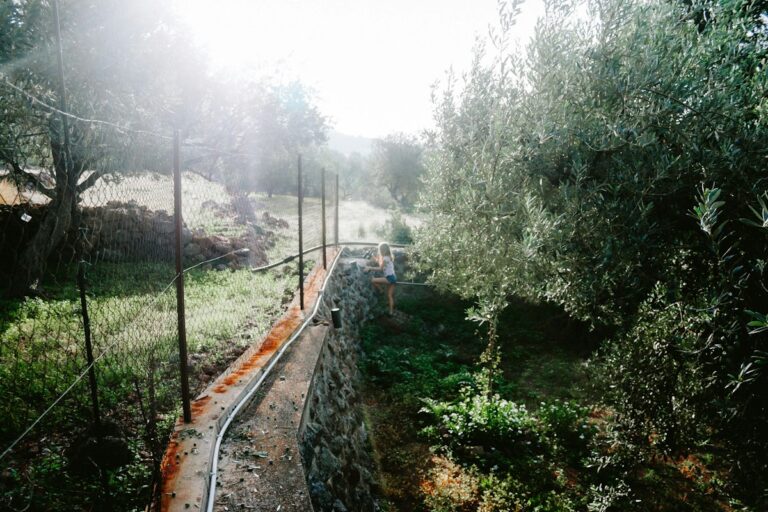
A garden’s lifetime workload begins with the planting and layout decisions. Think about access, mature plant sizes and seasonal jobs before choosing a finished design.
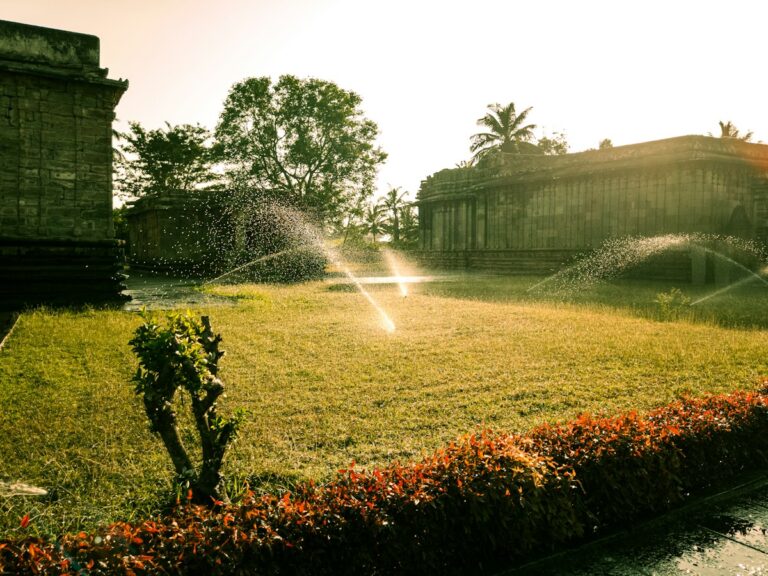
A garden with lawn, shrubs and containers rarely needs the same watering routine everywhere. Grouping areas by their needs can make irrigation more manageable.
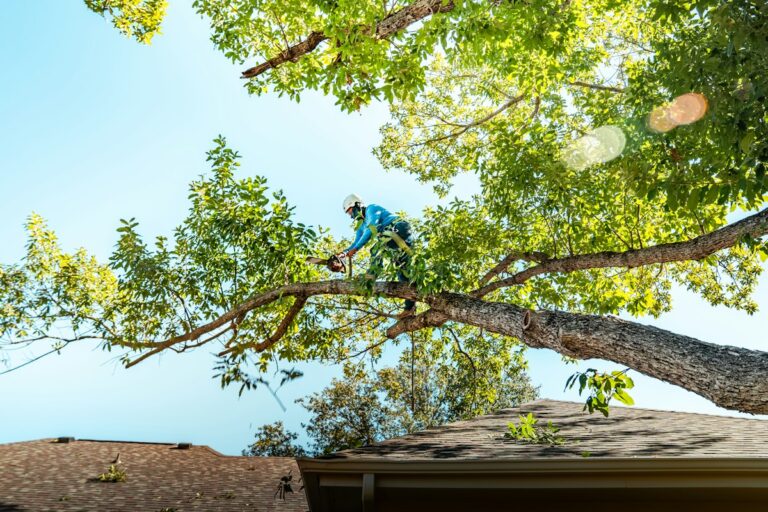
A branch near a roof, gutter or power line needs a careful assessment, not a quick cut made from a ladder. Start with the reason for concern and the tree’s surroundings.
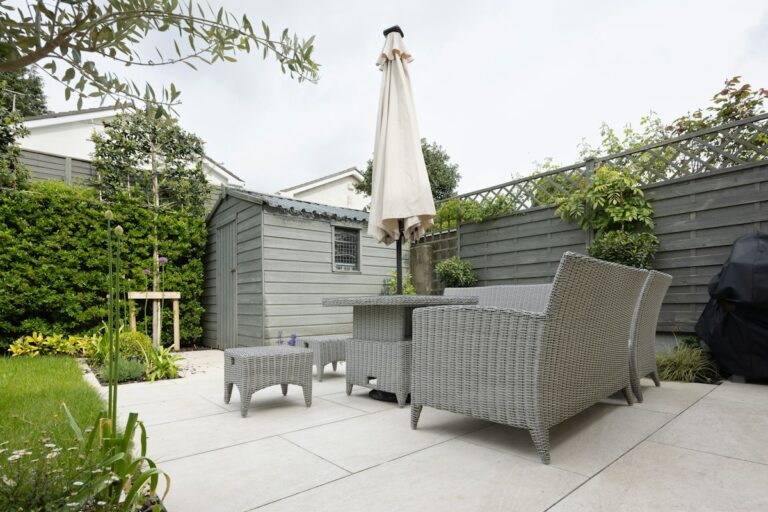
A patio that looks inviting on a calm day may be uncomfortable when wind passes between buildings. Consider shelter, drainage and circulation together.