
How to Plan a Garden Irrigation Schedule by Planting Area
A garden with lawn, shrubs and containers rarely needs the same watering routine everywhere. Grouping areas by their needs can make irrigation more manageable.
Start with a simple garden map. Mark the plants, sunny and shaded areas, slopes and places where water tends to collect. Note which sections are newly planted and which are established. The map can expose a problem where different planting types are receiving water from the same controller setting.
A lawn sprinkler, a shrub bed and a container garden deliver water in different ways. Ask an irrigation installer to explain how each proposed zone would operate and why it is grouped that way. The local climate, soil and plant requirements matter when selecting both frequency and duration. A watering schedule copied from another region may not suit the site.
Check actual soil moisture and plant condition rather than relying entirely on a calendar. Observe local water restrictions and reduce unnecessary watering during suitable wet conditions. If equipment includes a rain or soil-moisture sensor, ask how its setting is checked and what happens when it fails.
Keep a copy of the zone map, controller instructions and equipment details. Know how to stop the system if there is a visible leak. Have a qualified installer assess any changes to fixed plumbing or required backflow protection. The goal is not maximum watering coverage; it is watering the intended plants without unnecessary waste.
In Australia, check your water provider’s current restrictions before choosing timer settings.
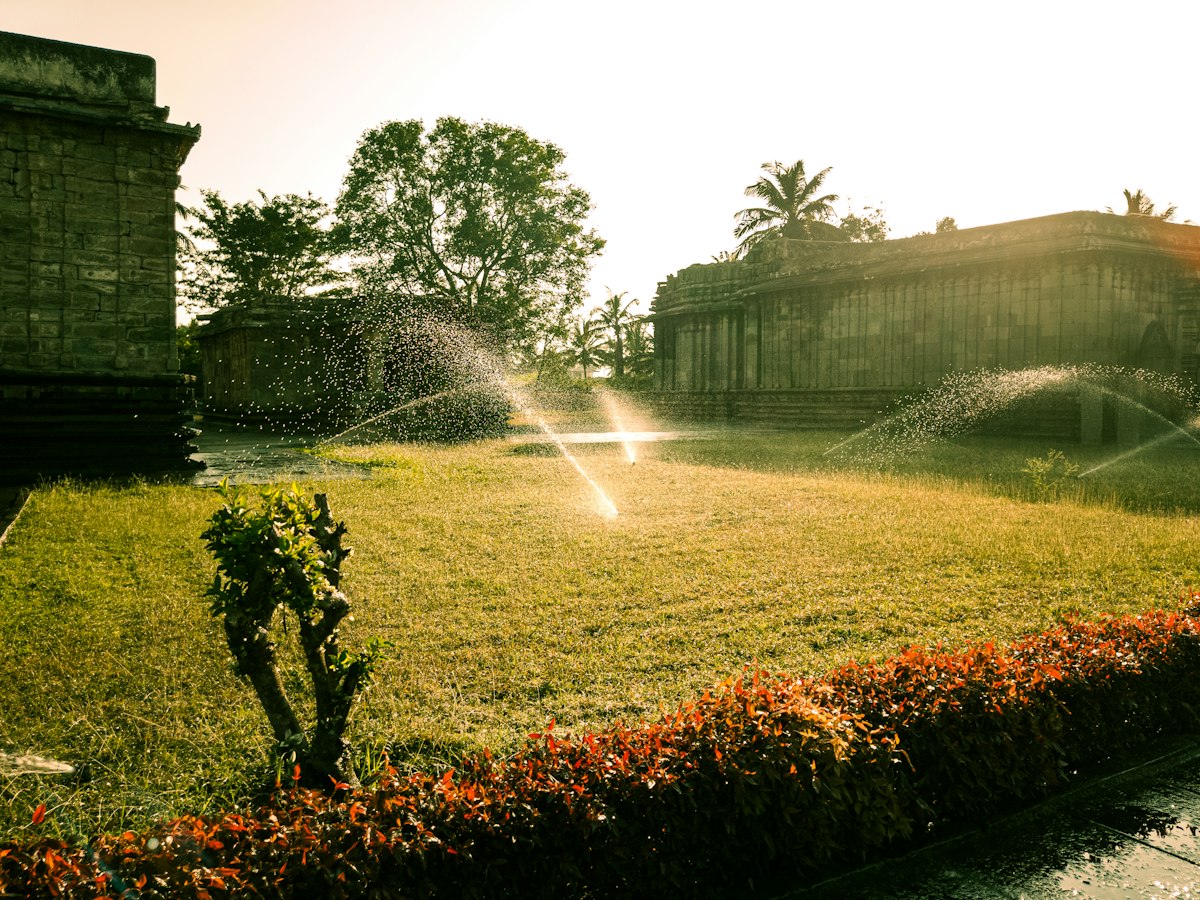
Photo: Tilak Teja / Unsplash. Stock image for context; not a photograph of a project reviewed in this article.