
Spotting Irrigation Leaks Before They Inflate the Garden Water Bill
A wet patch appearing long after sprinklers stop may deserve investigation. A simple record of when and where water appears can help an irrigation professional diagnose the issue.
Begin with observations rather than digging. Watch a normal watering cycle from a safe location. Look for spray that does not reach the intended area, pooling beside a sprinkler or water flowing onto the pavement. A constantly wet patch may also have a drainage or plumbing cause, especially after rain.
Record whether the problem occurs only during irrigation or also when the system is off. Check the controller schedule and compare it with your observations. If you have access to ordinary water usage records, look for a sustained change, while remembering that household activities may also affect consumption.
If there is a substantial leak, stop the irrigation using its normal controls if safe and contact an appropriate professional. Do not disturb buried equipment or attempt work on fixed electrical components. Where the issue involves potable water connections, ask about the applicable local plumbing requirements.
Share the zone name, time, location and photographs with the service provider. Request an explanation of the fault and any changes made to the system. After repair, observe a normal cycle and confirm the affected area is behaving as expected before making broader adjustments to the schedule.
In Australia, check with your water provider if a suspected leak coincides with an unexplained bill increase.
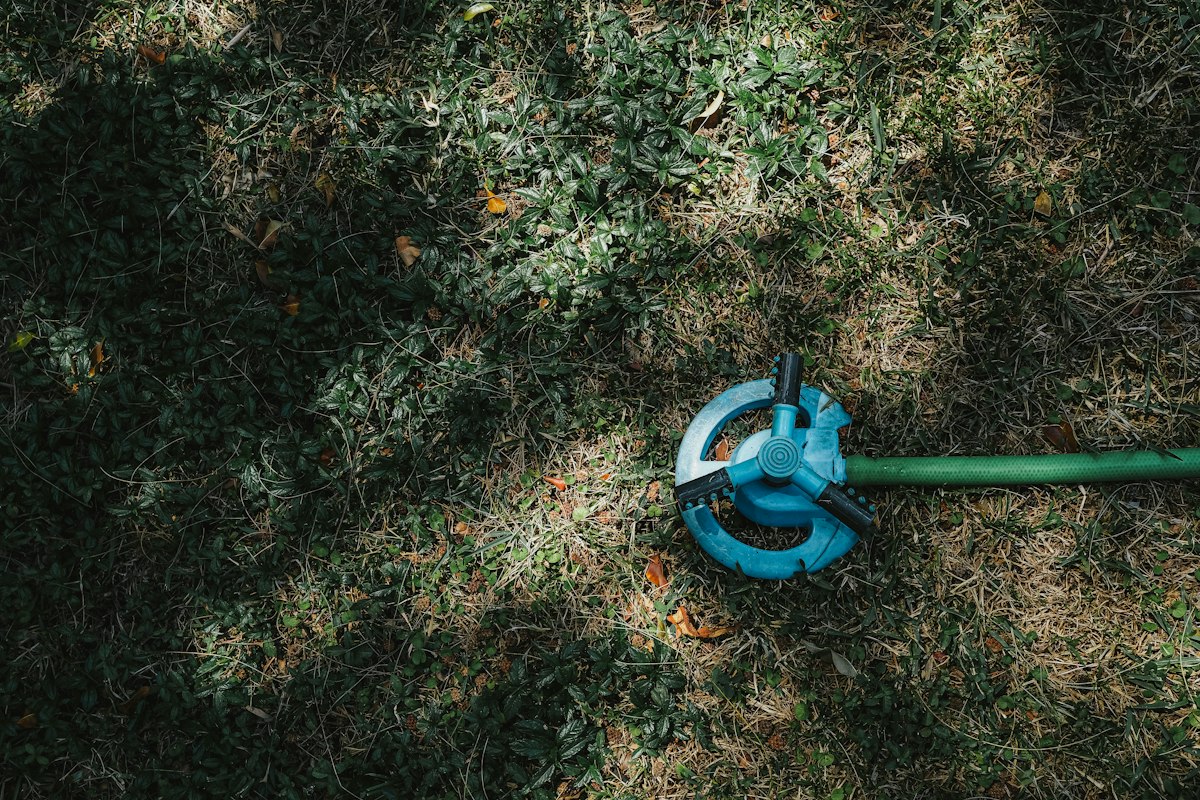
Photo: Omar / Unsplash. Stock image for context; not a photograph of a project reviewed in this article.